Early Life and Musical Formation
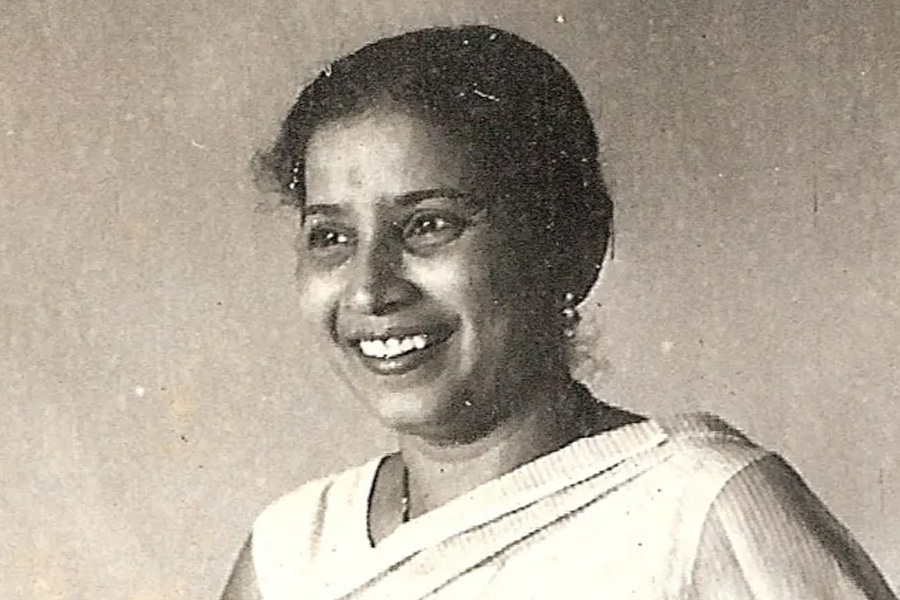
Ira Roshan, born Ira Moitra and later known as Ira Nagrath, occupied a restrained yet crucial place in Indian musical history. She was born in Bengal, a region with a profound cultural temperament and an abiding respect for melody. Her early environment likely shaped her sensibility before public recognition ever arrived. In that sense, her life began within a wider current of artistic inheritance.
She came of age when radio carried voices into homes with rare intimacy. That medium rewarded precision, emotional control, and clarity. Ira developed those qualities while singing for All India Radio in Delhi. Her voice had to travel well without theatrical excess. That discipline became one of her defining strengths.
Marriage and Family Foundation
In 1948, Ira married Roshan Lal Nagrath, the composer better known simply as Roshan. Their marriage joined two musical temperaments under one roof. It also established the foundation for a family that would later become emblematic of Indian entertainment. Their household was not built on instant fame. It grew through repetition, training, and a shared artistic atmosphere.
The marriage produced two sons who would each extend the family name into public life. Rakesh Roshan was born in 1949, and Rajesh Roshan followed in 1955. These dates mark more than biographical milestones. They show how quickly the family moved from private union to generational legacy. Ira stood at the center of that transformation.
A Musical Identity of Her Own
Ira Roshan should not be treated as a mere adjunct to a celebrated husband. Her musical identity had independent weight. One notable point in her career was her 1948 duet with Lata Mangeshkar for Anokha Pyar. Singing beside such a towering figure demanded poise and competence. Ira evidently possessed both.
Her work was not flamboyant, and that is part of its interest. Some artists make an impression through spectacle. Others leave a subtler imprint through consistency and craft. Ira belonged to the second kind. Her voice and presence appear to have been valued for their steadiness rather than ornament.
She also remained connected to music after Roshan’s death in 1967. Completing the Anokhi Raat score reflected more than technical ability. It suggested resilience under pressure and commitment to continuity. The work required emotional steadiness at a difficult moment. That is often the unrecorded labor behind artistic endurance.
The Family Tree Around Ira Roshan
The Roshan family expanded into several branches, each carrying a portion of her legacy. The public often remembers the most visible names first. Yet the structure beneath those names is what gives the story its depth. Ira sits at the root of that structure.
| Family Member | Relationship to Ira Roshan | Notes |
|---|---|---|
| Roshan Lal Nagrath | Husband | Music director and composer |
| Rakesh Roshan | Son | Actor, director, producer |
| Rajesh Roshan | Son | Music director |
| Pinkie Roshan | Daughter in law | Wife of Rakesh Roshan |
| Kanchan Roshan | Daughter in law | Wife of Rajesh Roshan |
| Hrithik Roshan | Grandson | Actor |
| Sunaina Roshan | Granddaughter | Public figure and author |
| Pashmina Roshan | Granddaughter | Actress |
| Eshaan Roshan | Grandson | Younger generation family member |
| Suranika Soni | Great granddaughter | Sunaina Roshan’s daughter |
| Hrehaan Roshan | Great grandson | Hrithik Roshan’s son |
| Hridhaan Roshan | Great grandson | Hrithik Roshan’s son |
This lineage shows how the family evolved from a single artistic marriage into a multigenerational public presence. Rakesh Roshan carried the family into cinema with unusual visibility. Rajesh Roshan translated inheritance into composition. Hrithik Roshan later transformed the surname into a global emblem of stardom. Each branch traces back to Ira’s domestic and artistic foundation.
Rakesh Roshan and Rajesh Roshan
Rakesh Roshan became one of the family’s most prominent public figures. His career as actor, director, and producer widened the family’s reach across Hindi cinema. Through him, the Roshan name became more familiar to mass audiences. He also brought the family into a new era of media attention.
Rajesh Roshan followed a different path. He chose music composition and carried the family’s melodic inheritance forward. His career demonstrates how talent can recur in altered form across generations. He did not simply echo his father. He extended the family’s artistic language into a later register.
Together, the two sons reveal Ira Roshan’s lasting influence. One pursued cinema’s outward machinery. The other pursued music’s inner architecture. Both inherited a sensibility shaped by a home where art was not incidental. It was part of daily existence.
Grandchildren and the Public Memory of the Family
Hrithik Roshan became the family’s most internationally recognized member. His fame gave the Roshan name a wider cultural echo. Yet the family narrative around him often retains a sense of intimacy. His nickname, Duggu, suggests a domestic warmth that offsets public grandeur. That mixture is characteristic of the Roshan story.
Sunaina Roshan, too, has remained visible in family-centered public conversation. Her role adds another layer to the family’s recorded history. Pashmina Roshan represents a younger generation entering the same crowded field. Eshaan Roshan also extends that continuity. The family does not merely repeat itself. It mutates, adapts, and persists.
Suranika Soni, as Sunaina’s daughter, adds another generational marker. Her presence reminds us that lineage is not only about fame. It is also about inheritance, memory, and identity. Families become historical when their internal life enters public awareness. The Roshans have done that repeatedly.
Later Years and Enduring Recognition
Ira Roshan died on 22 January 2005. Her death did not end her presence in the family narrative. In 2008, a hospital wing was named for her, preserving remembrance in a practical and visible form. That gesture mattered because it linked memory to care. It also tied her name to a living institution.
Later public attention continued to circle back to her through family retrospectives and documentary interest. In 2014, a pictorial biography project about Rakesh Roshan renewed attention to the family’s visual history. In 2025, another documentary again brought the Roshan household into focus. Even in later coverage, Ira remains structurally central. The family story still leans toward her.
Family, Heritage, and Identity
Ira Roshan’s Bengali heritage is not a minor biographical detail. It helps explain the cultural breadth of the family story. The Roshan name may be most associated with Hindi cinema, but the roots reach deeper. Her background gives the family narrative a layered identity. It is a blend of region, migration, music, and public life.
That blended identity appears in how the family speaks about memory. Heritage is not treated as decoration. It functions as a living reference point. Ira seems to have helped preserve that connection through temperament as much as through biography. She provided a steadiness that later generations could recognize.
Timeline of Major Dates
| Year | Event |
|---|---|
| 1940s | Ira sang for All India Radio in Delhi |
| 1948 | She married Roshan and recorded a duet for Anokha Pyar |
| 1949 | Rakesh Roshan was born |
| 1955 | Rajesh Roshan was born |
| 1967 | Roshan died |
| 1968 | Her name remained connected to Anokhi Raat |
| 2005 | Ira Roshan died on 22 January |
| 2008 | A hospital wing was named in her honor |
| 2014 | A pictorial biography project renewed family attention |
| 2025 | A documentary again highlighted the Roshan family |
| 2026 | Her Bengali heritage returned in public discussion |
This chronology shows a life that extended well beyond a single career peak. Ira’s significance accumulated through marriage, motherhood, music, and remembrance. The dates reveal continuity rather than isolated achievement. That continuity is the real measure of her place in the Roshan family.
Key Takeaways
Ira Roshan was a singer, composer, wife, mother, grandmother, and great grandmother whose life shaped a major entertainment lineage. Her career included All India Radio work, a duet in Anokha Pyar, and later musical association with Anokhi Raat. She helped anchor a family that included Roshan Lal Nagrath, Rakesh Roshan, Rajesh Roshan, Hrithik Roshan, Sunaina Roshan, Pashmina Roshan, Eshaan Roshan, Suranika Soni, Hrehaan Roshan, and Hridhaan Roshan. Her Bengali roots, musical discipline, and family role made her a central figure in the Roshan legacy.